Latest posts
-
Why Did the Server Take My Credit Card? U.S. Restaurant Payment Guide

Information checked November 5, 2026. Restaurant payment procedures, receipt formats, tipping screens, and QR systems vary. Follow the instructions at the restaurant you are visiting. At many full-service U.S. restaurants, the customer places a card in the check presenter and the server processes it at another terminal. I was surprised the first time a U.S.…
-
Do You Have to Tip When the Screen Asks? U.S. Tipping Guide

Information checked November 4, 2026. Tipping customs, restaurant policies, service charges, and local disclosure rules vary. This guide explains common decision points rather than imposing one percentage on every situation. A tip screen can feel personal when an employee is waiting, but the screen itself does not explain the type of service or whether a…
-
Why Did the Gas Station Put a Hold on My Card? U.S. Pump Guide
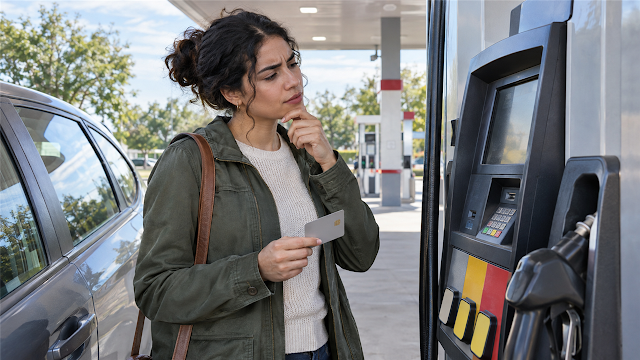
Information checked November 3, 2026. Gas-station procedures, authorization amounts, card acceptance, and release times vary by merchant and card issuer. Paying at the pump can involve a temporary authorization before the exact fuel total is known. Paying for gas in the United States was more confusing than I expected. At one pump, a card asked…
-
Why Did My Available Credit Drop? Pending Charges Explained

Information checked November 2, 2026. Pending-transaction and payment-processing practices vary by card issuer, merchant, payment network, transaction type, and account history. Check your own issuer’s app, agreement, and customer-service guidance. A lower available-credit number does not always mean that a new charge has already posted to the account balance When I first used a U.S.…
-
What Does “Cash Back” Mean at Checkout in the U.S.?
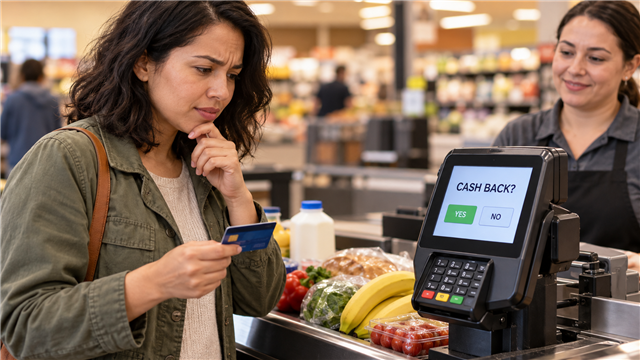
Information checked October 29, 2026. Cash-back availability, eligible cards, withdrawal limits, denominations, and fees vary by retailer, location, card, and payment network. At many U.S. registers, “Cash Back?” asks whether you want to withdraw physical cash as part of an eligible card purchase. The first time a U.S. payment terminal asked me, “Cash Back?”, I…
-
Why Your Foreign Credit Card May Not Work in the U.S.
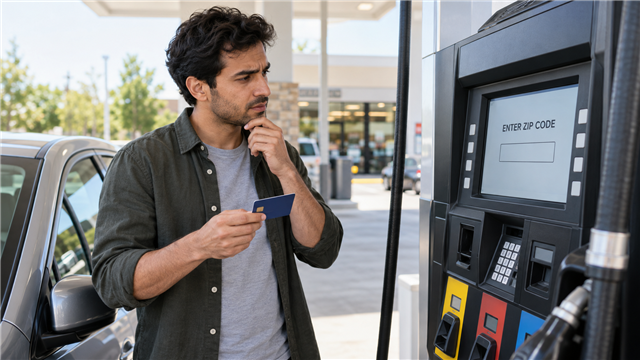
Information checked October 28, 2026. Card acceptance, address verification, foreign-transaction settings, temporary authorization holds, and mobile-wallet support vary by card issuer, merchant, payment network, device, country, and account. Confirm the current requirements with the merchant and the card issuer. A foreign card may work in U.S. stores but still fail when a fuel pump requires…
-
How to Find and Cancel Forgotten Subscriptions in the U.S.
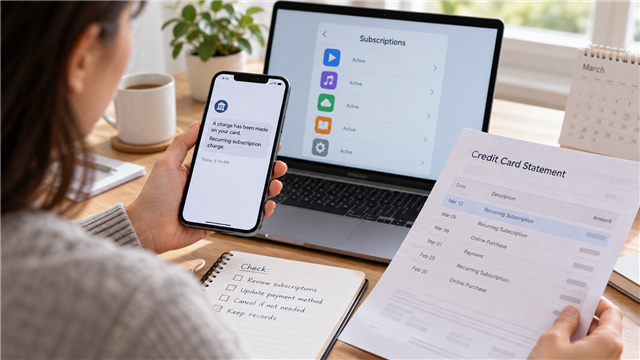
Information checked October 27, 2026. Subscription menus, cancellation deadlines, access periods, refund rules, and billing descriptions vary by platform, developer, service, device, account, and country. Follow the current instructions shown in your own account. A card alert can reveal the charge, but the billing platform usually determines where the subscription must be managed. I once…
-
Autopay vs Auto-Renewal in the U.S.: What Newcomers Should Check
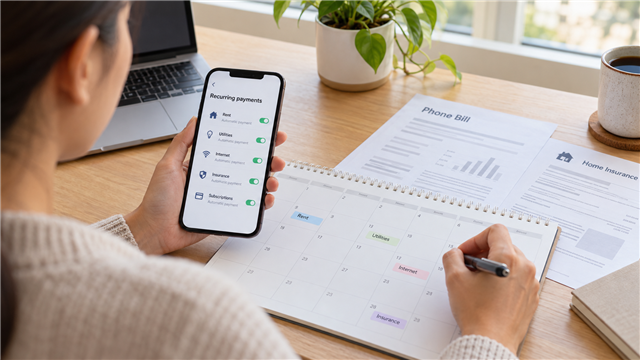
Information checked October 26, 2026. Payment methods, cancellation steps, discounts, refund rules, renewal notices, and applicable laws vary by company, service, account, and state. Confirm the current terms in your own account. AutoPay can handle a payment, but it does not replace reviewing the bill, funding source, and service terms. Our U.S. phone service and…
-
How U.S. Credit Scores Work When You Have No U.S. Credit History
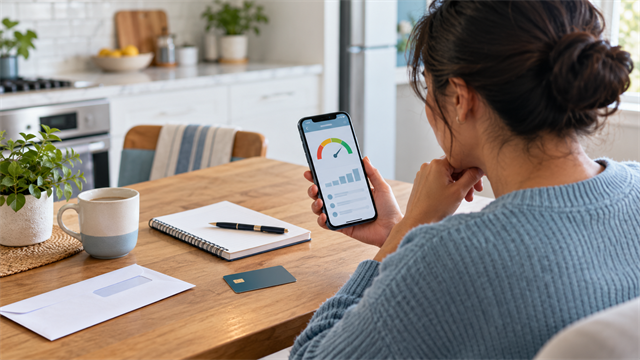
Information checked October 23, 2026. Credit-reporting practices, scoring models, card terms, and underwriting standards vary. This article provides general education; check your own reports and account terms before making a financial decision. A score shown in a bank app can be useful, but it may not be the same score or model a future lender…
-
Common Bank Account Fees in the U.S.: What Newcomers Should Check

Information checked October 20, 2026. Bank and credit-union fees, waiver requirements, transfer methods, processing times, and overdraft policies vary by institution, account, transaction, and state. Always use the current fee schedule and deposit agreement for your own account. An opening deposit, minimum-balance condition, and monthly service fee can appear together, but they do not mean…